





![[FREE EBOOK] Strategic Vietnam IT Outsourcing: Optimizing Cost and Workforce Efficiency](https://vti.com.vn/wp-content/uploads/2026/06/ebook-it-outsourcing.png)


On September 16, 2026, VTI KOREA hosted “Effective AI Agent Operations: Secure by Design, Built for Impact” at AC Hotel Seoul Gangnam, bringing together experts from IBM, OSC Korea and VTI KOREA to examine what enterprises need to move AI agents from experimentation into secure, governed and scalable operations.
As AI agents increasingly interact with enterprise systems, data and business workflows, the discussion is shifting from what agents can do to how organizations can maintain control, manage risk and turn AI initiatives into sustainable business value.
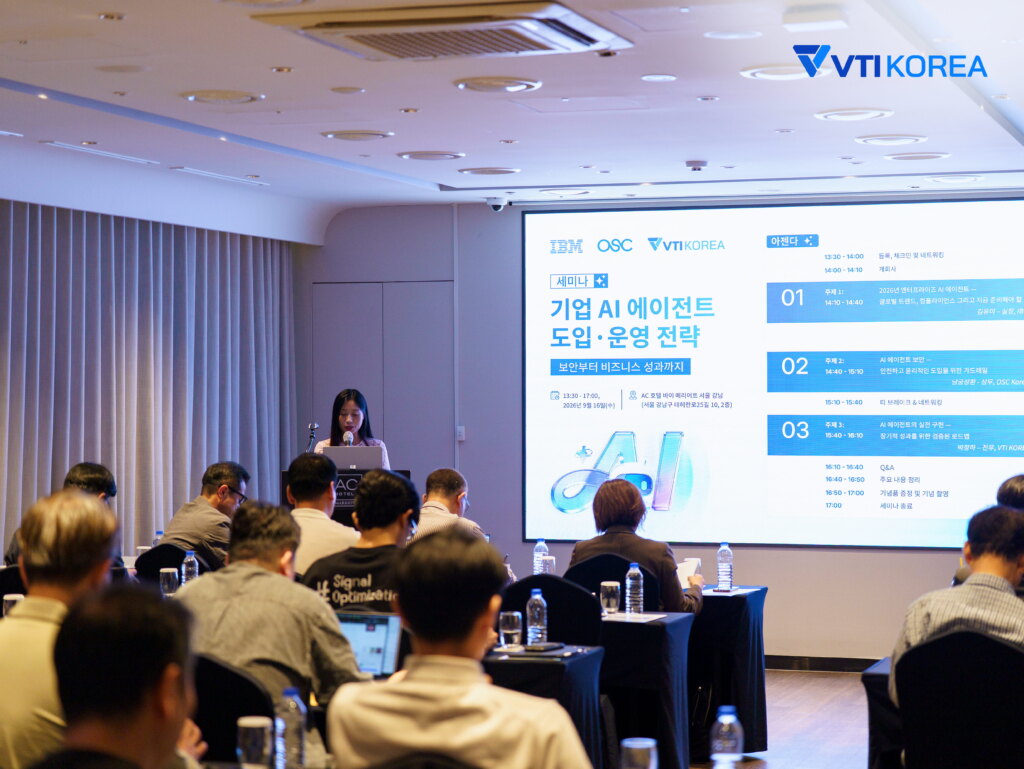
IBM: From AI Agent Adoption to Enterprise Governance
Opening the seminar, Ms. Kim Yu Mi, Manager at IBM, highlighted a widening gap between AI-agent adoption and enterprise readiness.
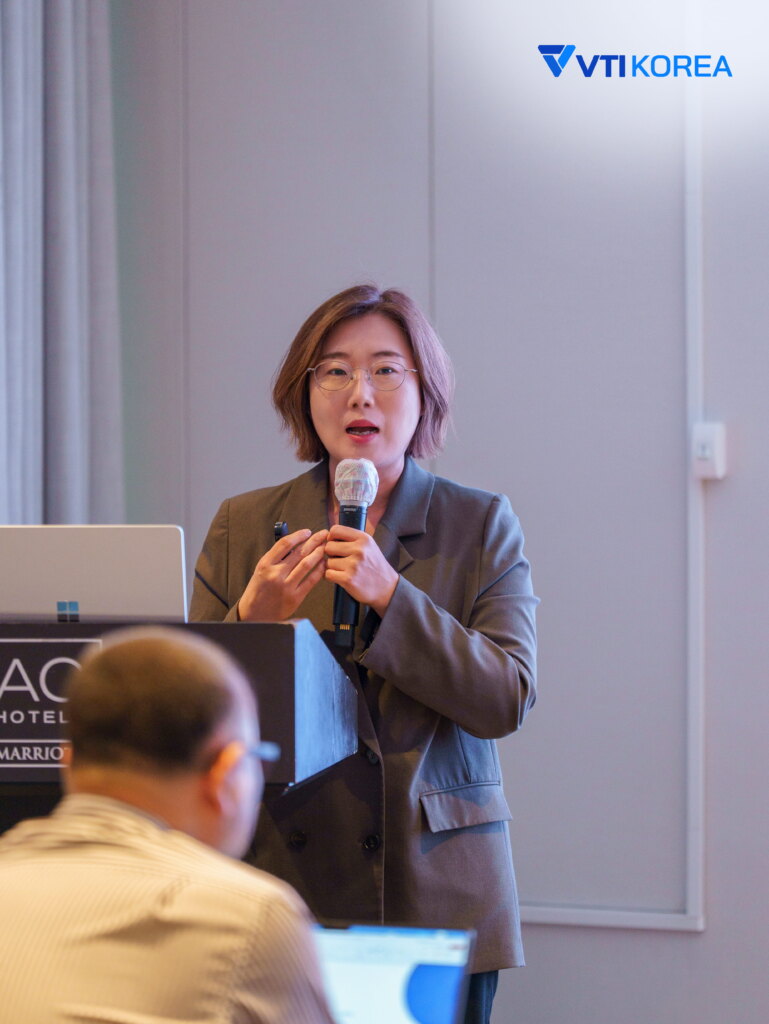
Citing the 2026 State of AI Development, the session noted that while 96% of enterprises already use AI agents in some form, only 12% have established a centralized platform to manage agent expansion, while 94% report increased security risks and complexity as AI adoption grows.
Against this backdrop, IBM emphasized that building an agent is only the beginning. Sustainable enterprise adoption requires an operating layer that provides visibility across AI assets, consistent controls throughout the agent lifecycle and clear accountability for risks and outcomes.
The session framed these priorities around three principles: Visibility, Control and Accountability — connecting AI governance not only with compliance, but also with business performance and long-term scalability.
OSC Korea: Securing the Shift from APIs to Autonomous Agents
Mr. Austine Namgung, CTO of OSC Korea, focused on the new security challenges emerging as enterprise systems move from traditional API consumption toward agent-driven interactions.
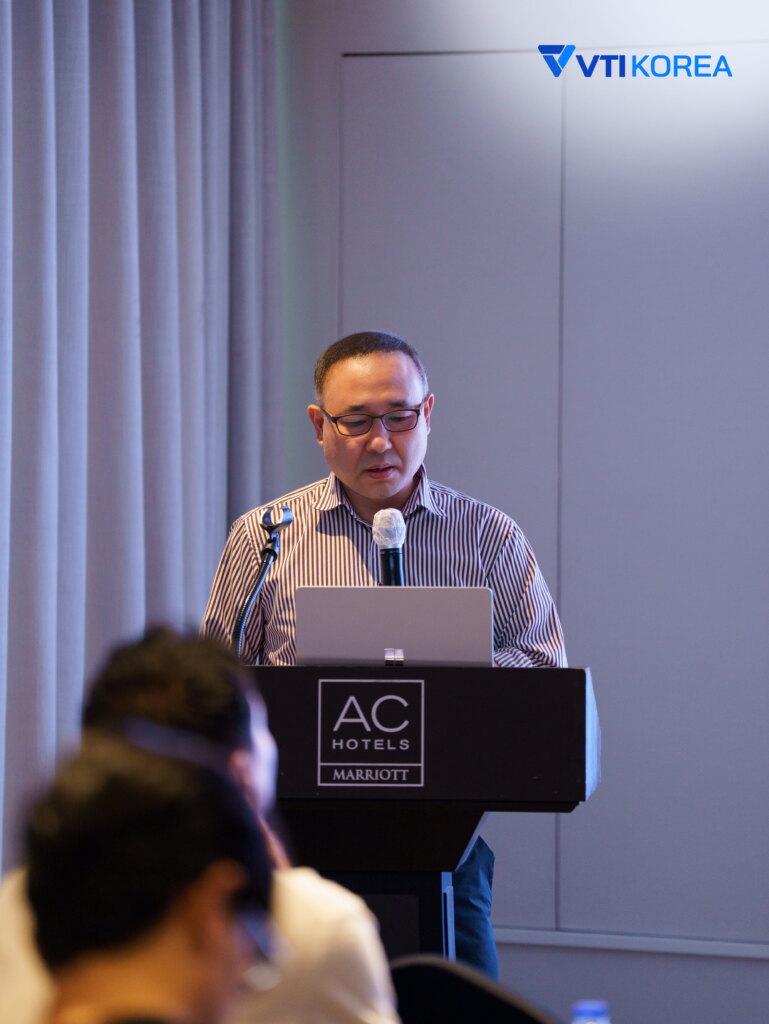
As agents communicate with systems, tools and other agents, organizations face new risks including shadow AI, fragmented governance, uncontrolled access, sensitive-data exposure and unprotected Agent-to-Agent (A2A) traffic.
The session outlined practical guardrails for this environment, including centralized visibility and audit trails, data-loss prevention and PII masking, least-privilege access to MCP tools, and stronger authentication and authorization across multi-agent interactions.
The key takeaway was that greater agent autonomy must be matched by greater operational visibility and control — enabling organizations to increase AI velocity without compromising enterprise security.
VTI KOREA: Closing the Execution Gap after PoC
The final keynote, delivered by Mr. Park Jeongha, Executive Director of VTI KOREA, shifted the discussion from governance and security to execution.
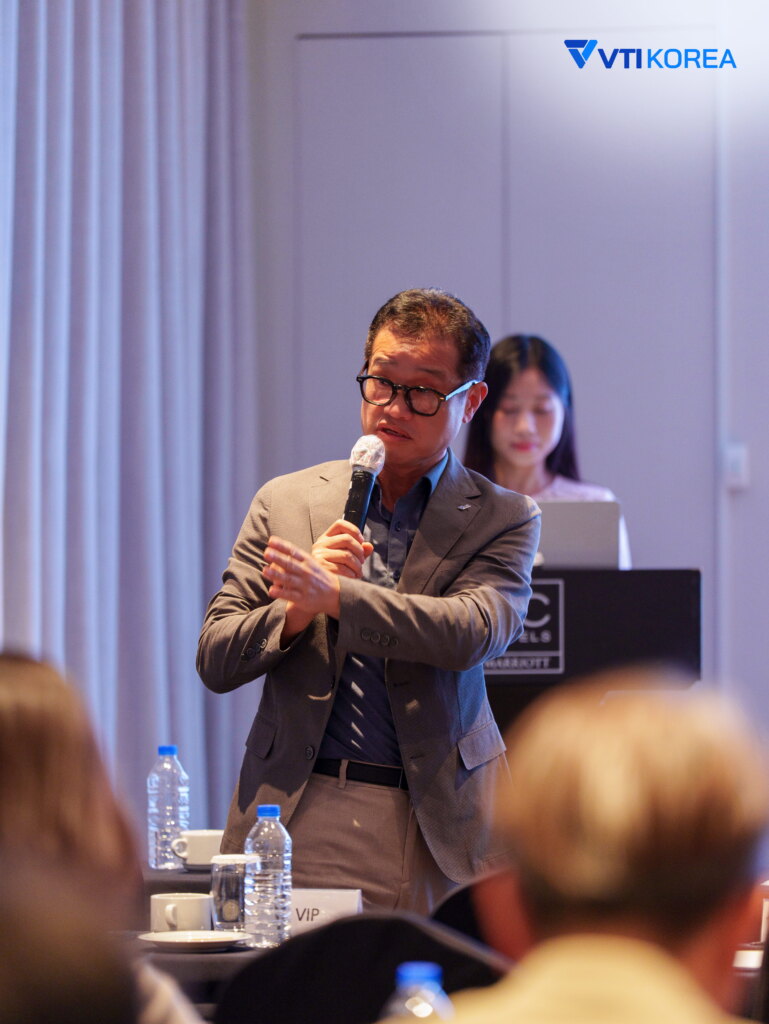
The session addressed a common challenge facing enterprise AI initiatives: organizations may identify promising use cases and successfully complete a PoC, yet still lack the resources, integration capabilities and operating model required to move into production.
VTI KOREA introduced an Enterprise Agent Engineering approach that combines business context, enterprise-system integration, governance and continuous improvement. Rather than treating AI-agent development as a standalone technology project, the approach connects business teams, enterprise IT and Vietnam-based delivery capabilities throughout implementation and operation.
The presentation also introduced a 180-day phased roadmap, progressing from assessment and design through PoC development, operational integration and broader scaling — with the goal of turning existing business processes and SOPs into workflows that AI agents can execute and continuously improve.
From AI Capability to Operational Readiness
The seminar concluded with an interactive Q&A, bringing the three perspectives together around a shared message: successful enterprise AI-agent adoption requires governance, security and execution to advance together.
Governance provides visibility and accountability. Security establishes the boundaries within which agents can act. And effective implementation connects technology with enterprise systems, operational processes and measurable business outcomes.
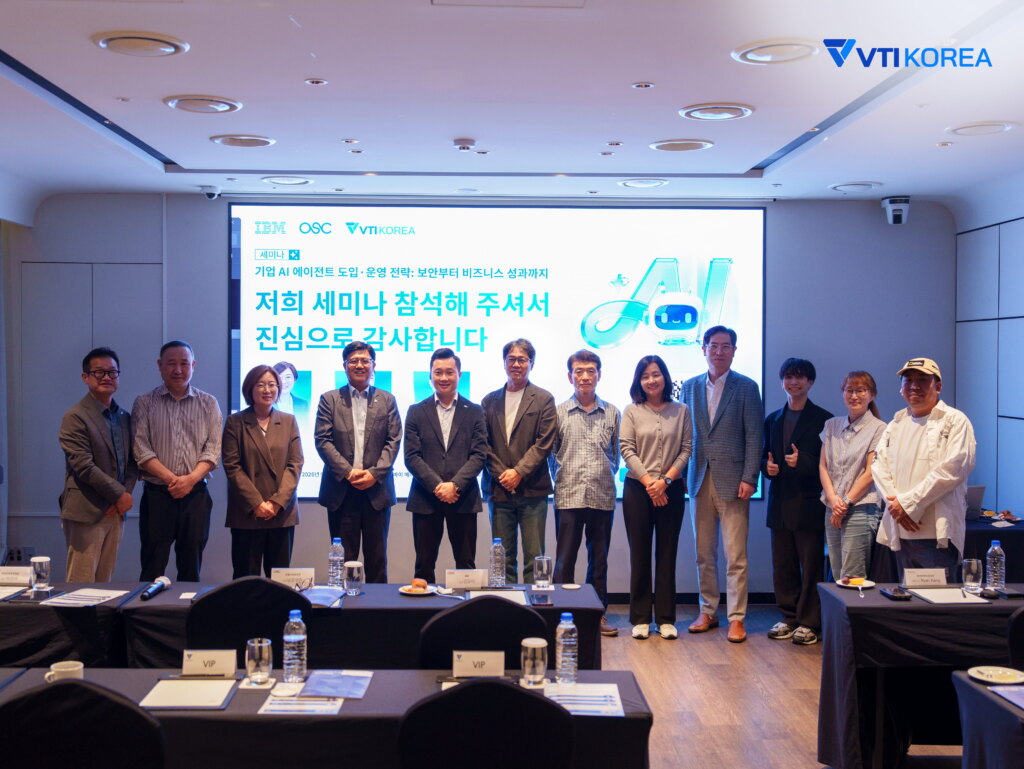
Through continued collaboration with global technology partners and its enterprise delivery capabilities, VTI KOREA aims to help organizations bridge the gap between AI experimentation and real-world operation — turning AI-agent potential into secure and sustainable business value.
Contact VTI KOREA to discuss how AI agents can be applied to your business.